What to check before you book a desert buggy in Dubai
Booking a buggy in Dubai is simple enough on the surface. You choose a slot, pick a vehicle type, and look forward to open sand and a different pace from the city. The details matter, though. Desert driving is not the same as a casual city drive, and the right pre booking checks make the day smoother for everyone involved.
The useful checks are practical ones: what kind of driving you want, what is included in the booking, what rules apply, and what happens if plans change. A clear booking should leave you knowing where you stand before you pay. cameldesertsafaridubai.com can be one reference point while you compare the basics, but the same questions are worth asking wherever you look.
Start with the kind of drive you want
The term buggy covers a range of vehicles and experiences. Some bookings focus on driving time in the dunes. Others combine a short drive with stops, photos, camel rides, or a larger desert outing. Before you compare any offer, decide what the day should feel like.
A short hourly rental may suit someone who wants a first taste of dune driving or has limited time. A full-day rental suits a person who wants a slower, more flexible desert outing with room for breaks. A guided tour can help if unfamiliar terrain is part of the appeal. Each option has a different rhythm, so the cheapest headline figure is not always the best match.
Pay attention to the route description, the amount of time actually spent driving, and whether stops are built into the plan. A long package with many stops may involve less driving than expected. A short session with clear driving time may feel more focused. The words on the page should match the day you have in mind.
Check the driver requirements early
Driver rules are one of the first things to confirm, because they can decide whether the booking works at all. Ask about the minimum age, the accepted driving license, and whether experience with off road driving is expected. Requirements can differ by vehicle type and by the structure of the booking.
If more than one person may drive, make sure each driver is covered by the same terms. Do not assume that everyone in the group can take a turn. Check whether a passenger can join the drive, and whether there are age or height limits for children. These points are easier to handle before the booking is made than on the day.
It is also worth asking what happens if the named driver cannot make it. A flexible arrangement may exist, but it should be clear in writing. Vague answers at the booking stage often turn into awkward conversations later.
Look closely at the buggy model and group size
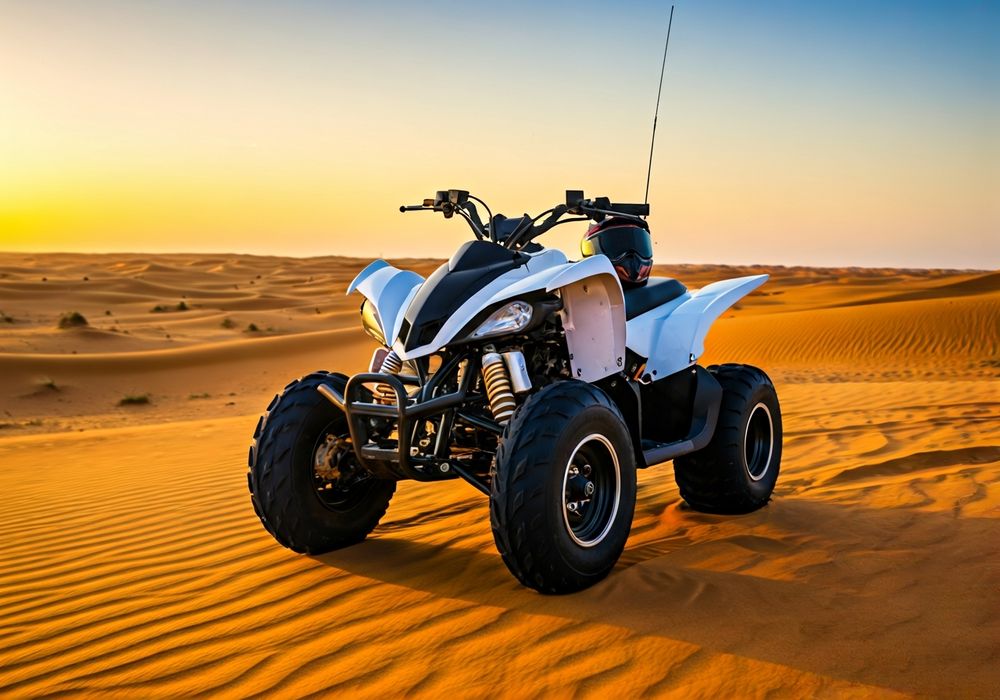
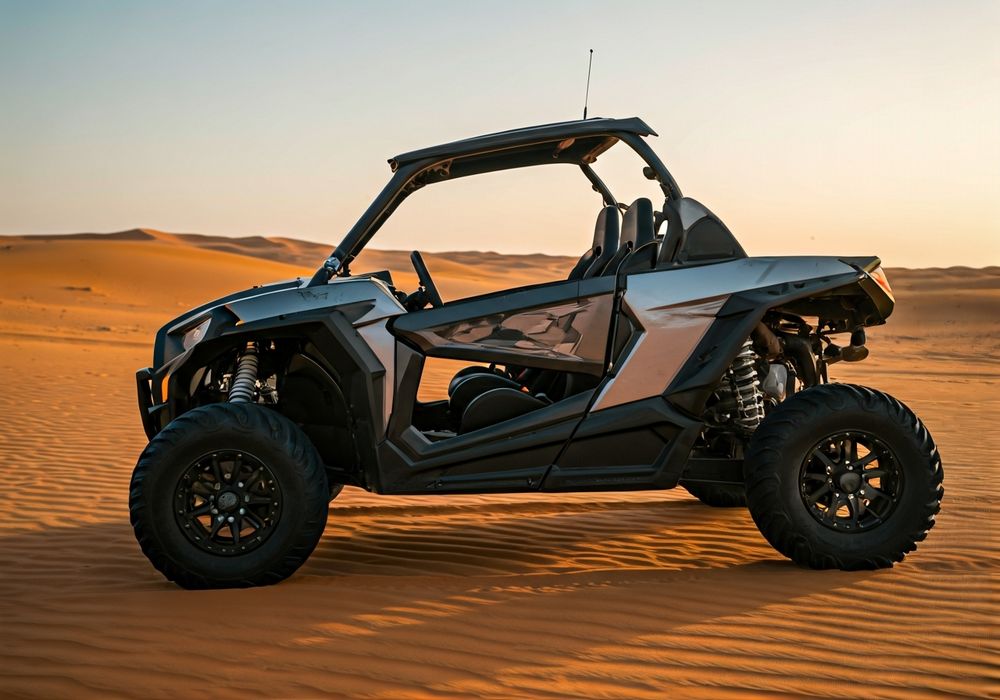
The buggy model affects comfort, control, and the feel of the drive. Some vehicles are built for a more direct, sporty experience. Others are more settled and easier for newer drivers to handle. If the description offers a choice, ask what differs between the models rather than choosing by appearance alone.
Seating layout matters too. A two seat vehicle creates a different group dynamic from a four seat one. If the group is split across several buggies, ask whether everyone will stay together during the drive. Even experienced drivers can end up separated if the route and pace are not planned clearly.
Practical details are worth checking as well. Storage for phones and small bags, shade while waiting, and clear boarding arrangements may sound minor, yet they shape the overall experience. Desert conditions can feel intense, so comfort before and after the drive has a real effect.
Ask what is included and what is not
Desert bookings can be packaged in different ways. Some include only the vehicle and driving time. Others add a safety briefing, refreshments, transport, or time at a desert camp. The important point is not how long the list looks, but whether the inclusions match your expectations.
- Safety briefing: Confirm that drivers receive clear guidance before the drive, especially on dune driving, following distance, and what to do if the group stops.
- Pickup service: If transport is part of the plan, check the pickup area, the timing window, and what happens if traffic or heat causes a delay.
- Guided tour structure: Ask whether a lead vehicle sets the pace and whether there is a support vehicle if someone stops or needs assistance.
- Food and drinks: Check what is provided, when it is served, and whether dietary needs can be handled in advance.
- Photos and extras: Ask whether images, camel rides, sandboarding, or entertainment are included or treated as separate additions.
A good booking leaves few blanks. If a detail is not written down, ask for it to be confirmed before paying. That applies especially to timing, since desert schedules often depend on daylight, heat, and the wider itinerary.
Understand the deposit and damage terms
A damage deposit is common in vehicle rentals, and it should be explained plainly. Check when it is taken, how it is held, and what conditions could lead to a charge. The key is to understand the standard before you drive, not after a scratch or mechanical issue is reported.
Ask whether there is a stated excess, what counts as damage, and how minor bodywork is handled. Dune driving carries natural risks, including sand contact and small marks from rough terrain. Some terms allow for normal use, while others are stricter. A clear explanation helps you judge whether the booking is fair.

Also check what you are expected to do if something goes wrong. Report procedures, roadside assistance, and replacement arrangements should be easy to understand. If the answer depends on "it depends" with no clear examples, request more detail. A professional booking process should be able to explain the basics without pressure or confusion.
Confirm safety and supervision
Safety is not just a short speech before departure. It includes the condition of the vehicle, the way the group is managed, and the response when conditions change. Ask how often vehicles are inspected and what checks are done before a driver takes one out. Routine maintenance should not be treated as a favour.
Ask about seat belts, roll protection where relevant, first aid availability, and communication between vehicles. If the drive is guided, the guide should set expectations about speed, stopping distance, and hand signals. Desert terrain can change quickly, and a group that understands basic procedures is less likely to run into trouble.
Weather deserves attention too. Heat, wind, and low visibility can affect whether a drive is comfortable or suitable. A responsible plan will explain how conditions are assessed and what alternatives may be offered if the route is not appropriate. It is reasonable to ask rather than assume.
Read the timing and cancellation rules
Desert plans often sit alongside flights, hotel check in times, and evening meals. A booking that looks fine in isolation may be awkward once travel time is added. Check the start time, arrival point, expected finish time, and whether there is a buffer for delays.
Early morning and late afternoon slots are often chosen for comfort, but that does not remove the need to plan carefully. If a pickup service is involved, confirm the meeting point and whether the driver can wait within a reasonable window. Keep contact details for the booking handy, since a small timing change can otherwise become a missed drive.
Cancellation and rescheduling terms deserve the same attention as the driving plan. Look for clear conditions around late changes, no shows, and weather related adjustments. Fair terms do not need to be complicated. They simply need to be visible before commitment.
Compare the full picture, not just the headline
When two buggy rental dubai options sit side by side, the lower price may not represent the better value. One may include transport, a longer drive, or a clearer safety setup. Another may look attractive until the add ons and deposit terms are considered. Compare the same elements each time: driving time, vehicle type, driver rules, inclusions, deposit conditions, and cancellation terms.
Reading recent feedback can help with this, as long as it is treated with care. Look for repeated comments about clarity, punctuality, vehicle condition, and how issues were handled. A single glowing comment or one angry review rarely tells the full story. Patterns are more useful than dramatic claims.
Trust your own sense of the booking process as well. Clear answers, written terms, and a willingness to explain the details are good signs. Pressure to decide without reading the conditions is not. The aim is not to overcomplicate a fun day out. It is to make sure the experience matches what was promised.
A final pass before you pay
Before confirming, run through the practical points one last time. Check the date, time, driver names, meeting location, vehicle choice, and what is included. Keep a copy of the booking details somewhere easy to find, along with any instructions about arrival and identification.
If something feels unclear, pause and ask. Desert driving can be highly enjoyable when the basics are settled, and much less relaxing when the group is unsure about timing or rules. A few careful questions at the start help protect the day, the budget, and everyone in the group.